

Professional Floor Restoration in Glasgow: Stop Mopping, Start Restoring
Most homeowners confuse 'clean' with 'restored'. There is a world of difference between surface hygiene and structural recovery. A weekly mop with a supermarket cleaner keeps things tidy, but it won't stop your flooring from degrading. At Access Cleaning Solutions, we bring 20 years of experience and a deep grounding in chemical science to ensure your floors aren't just clean—they're revitalised.
The Chemistry of Flooring: Why DIY Often Fails
We have seen the aftermath of too many 'miracle' shop-bought restorers. These products usually leave a sticky, synthetic film that attracts grime, eventually clouding stone or dulling timber. We don't guess; we calculate. Because we understand the precise pH requirements of different substrates, we know exactly what alkalinity is needed to strip old wax or how to neutralise sensitive marble. It is a scientific approach, not a gamble.
Specialist Care for Every Surface
Treating all floors the same is a recipe for disaster. We specialise in a range of high-end and industrial surfaces:
- Marble & Granite: These porous stones need precise honing and polishing to remove etching and deep stains without damaging the stone.
- Porcelain Tiles: We target the grout lines and microscopic pores where dirt hides, bringing back that original factory brilliance.
- LVT (Luxury Vinyl Tiles): The wear layer is everything. We strip away ingrained pollutants without using abrasives that would destroy the finish.
- Anti-Slip Flooring: Safety depends on the friction coefficient. We clean these surfaces without clogging the grit or texture that provides the essential grip.
Industrial Machinery vs. Domestic Cleaning
The gap between a domestic clean and a professional restoration comes down to the gear. Homeowners simply don't have the industrial hardware required for a genuine recovery. We offer three levels of intervention depending on the damage:
1. Light Maintenance Mopping
The baseline. This removes surface dust and loose debris. It is vital for daily upkeep, but it cannot fix a scratch, a stain, or a failed sealant.
2. Deep Scrubbing
We use orbital scrubbers and specialised chemicals to penetrate the surface and lift ingrained dirt. This is the solution for floors that are structurally sound but have turned 'grey' or dull.
3. Heavy Duty Grinding & Restoration
The 'nuclear option' for floors in dire condition. Using planetary grinders and diamond-abrasive pads, we physically remove the damaged top layer. We level the surface, strip oxidised sealants, and rebuild the finish from the substrate up. This is the only way to truly erase years of wear and tear.
Protect Your Investment
Ignore the signs of a failing sealant—tackiness, clouding, or scratching—and you'll eventually face a total floor replacement. By using a specialist with the right machinery and chemical credentials, you extend the life of your flooring. We don't mask the problem; we solve it.
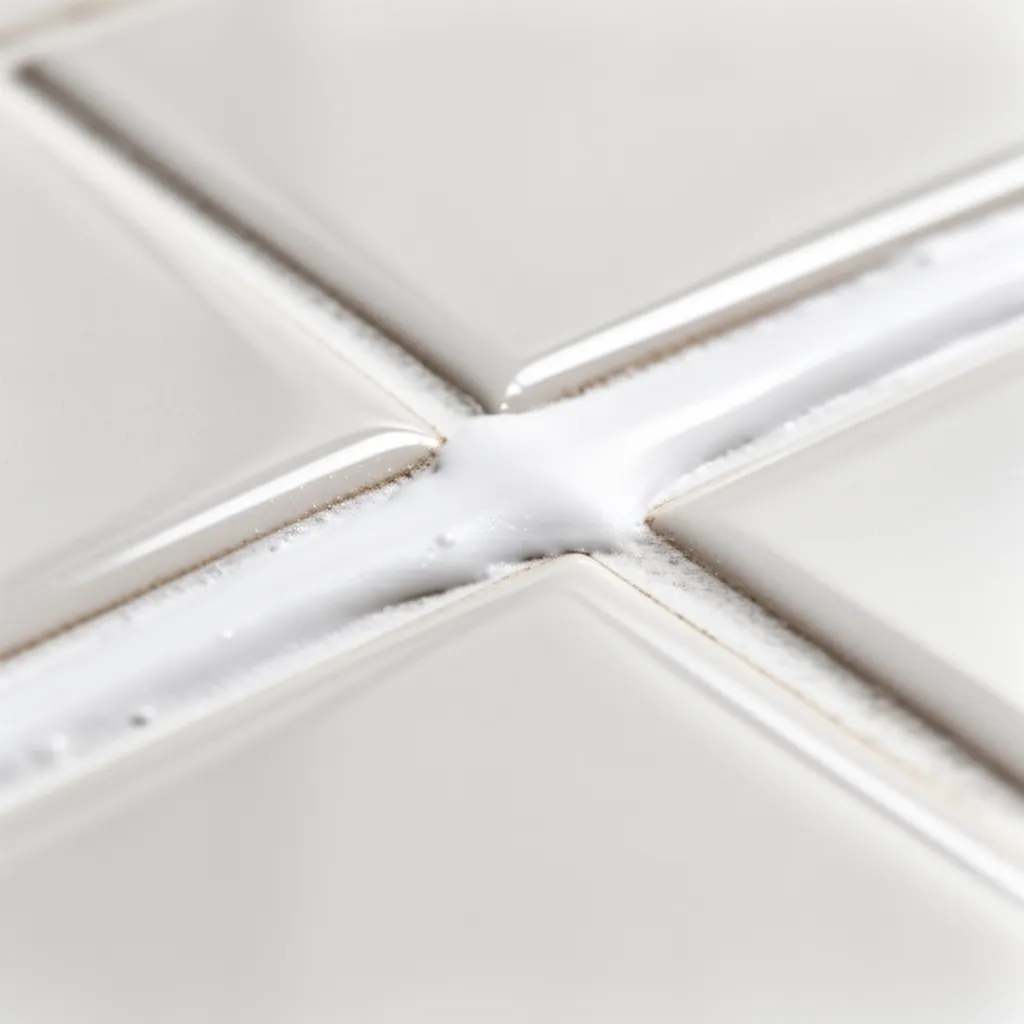
Precision grout cleaning: 20 years of proven results.
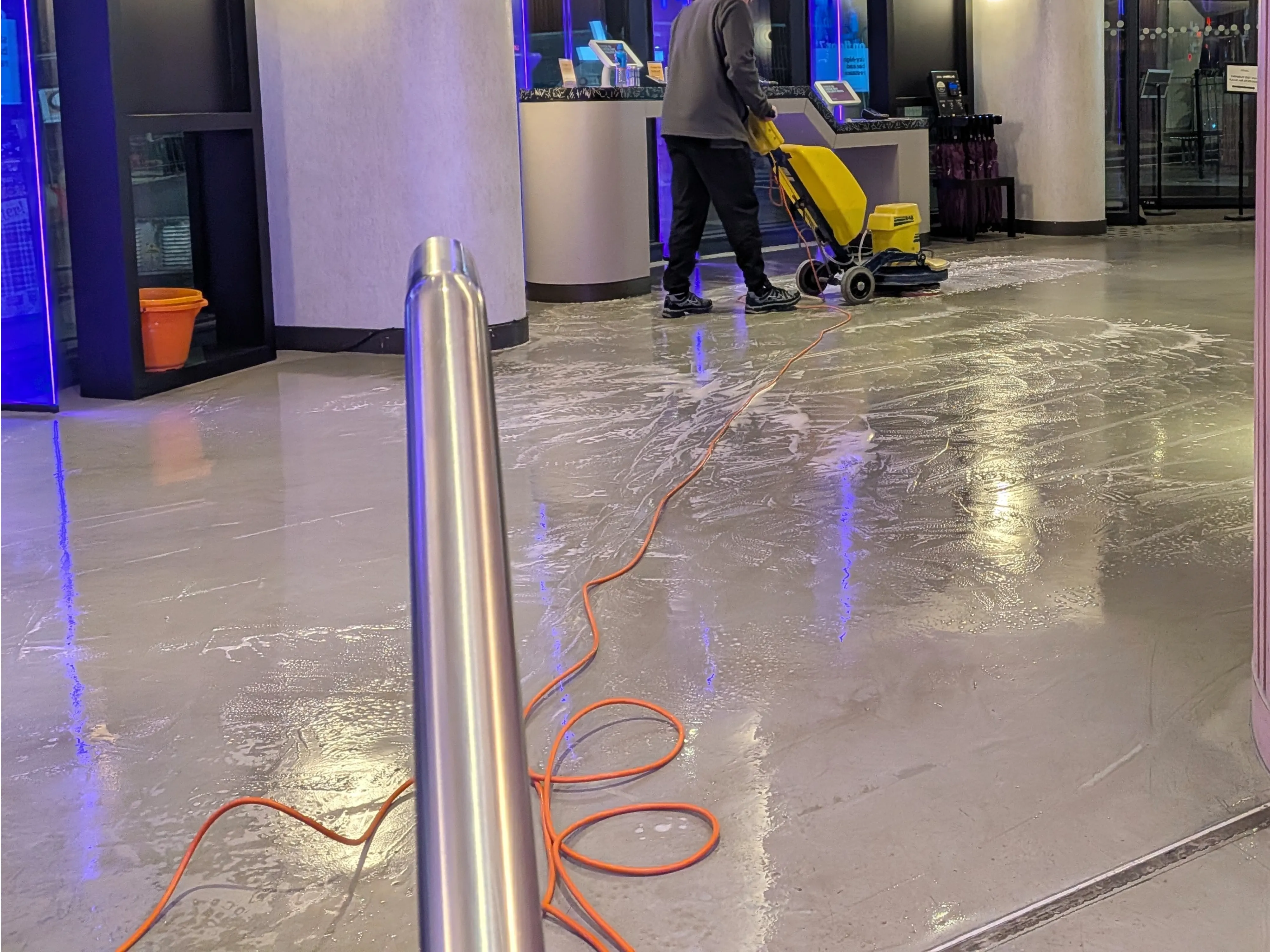
High-performance polishing for a mirror-like finish.
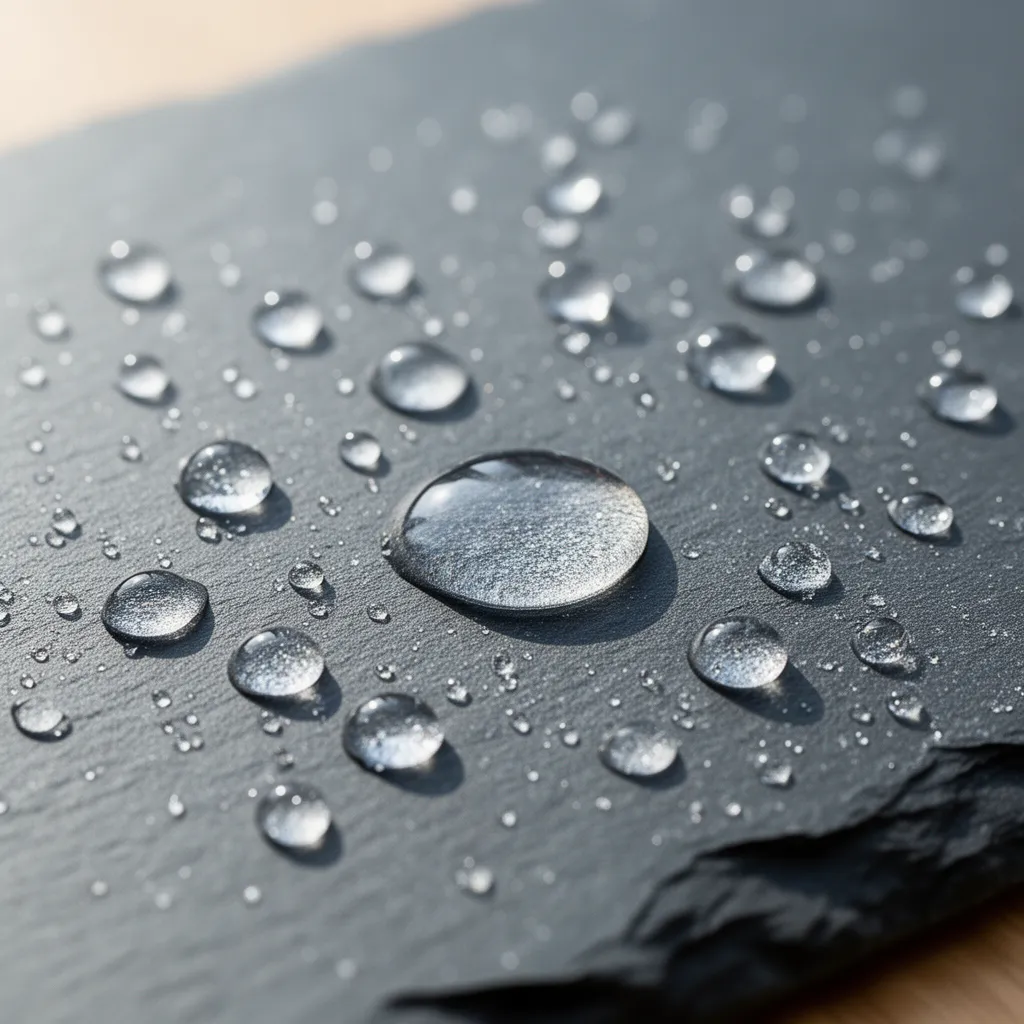
Advanced protective sealing for lasting durability.
Ready to Refresh Your Environment?
Get a no-obligation quote or a free site survey today.
Frequently Asked Questions about Hard Floor Restoration Glasgow
Can't I just use a heavy-duty cleaner from the shop?
Shop-bought cleaners often lack the specific pH balance required for professional restoration and can leave residues that prevent new sealants from bonding. We use industrial chemicals based on the specific mineralogy of your floor.
What is the difference between deep scrubbing and grinding?
Deep scrubbing uses rotating brushes to lift dirt from pores. Grinding is a mechanical process using diamond pads to physically remove a thin layer of the material to eliminate scratches and levels the surface.
Do you work on LVT and Anti-Slip flooring?
Yes. We use specific non-abrasive techniques for LVT to protect the wear layer and specialised cleaning agents for anti-slip floors to ensure the grip is maintained.